
A center drill produces a center hole that provides a locating datum for turning. It can also be used for spot drilling and chamfering. Types A, B and R differ mainly in front-end geometry and machining purpose.
Structural Differences among Type A, Type B and Type R Center Drills
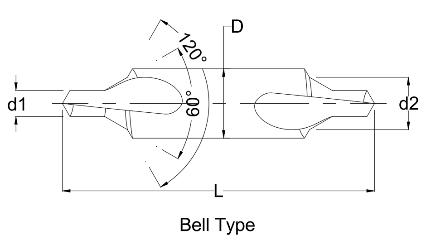
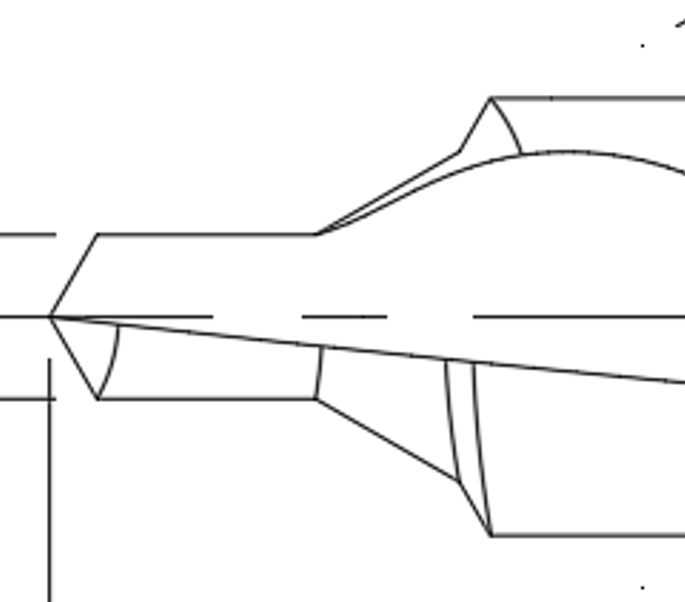
The drawings and product profiles show different front-end geometries for positioning, hole protection and machining stability.
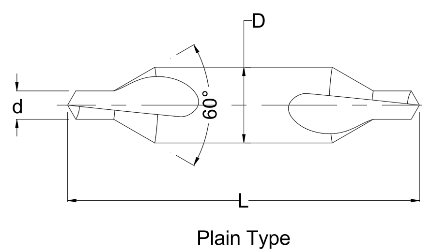
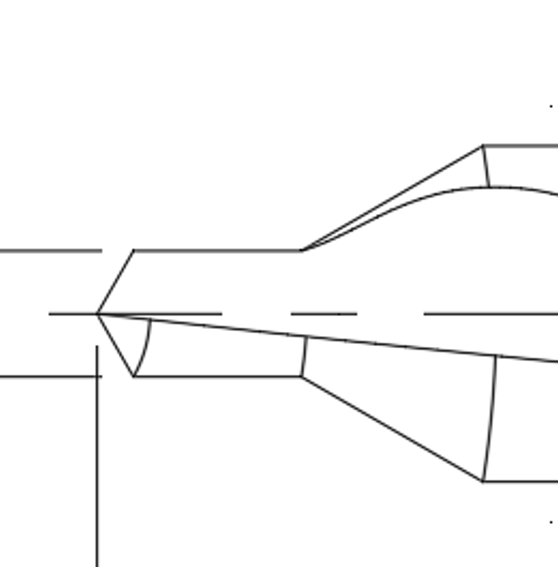
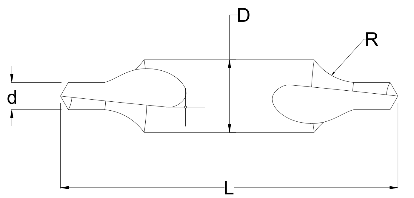
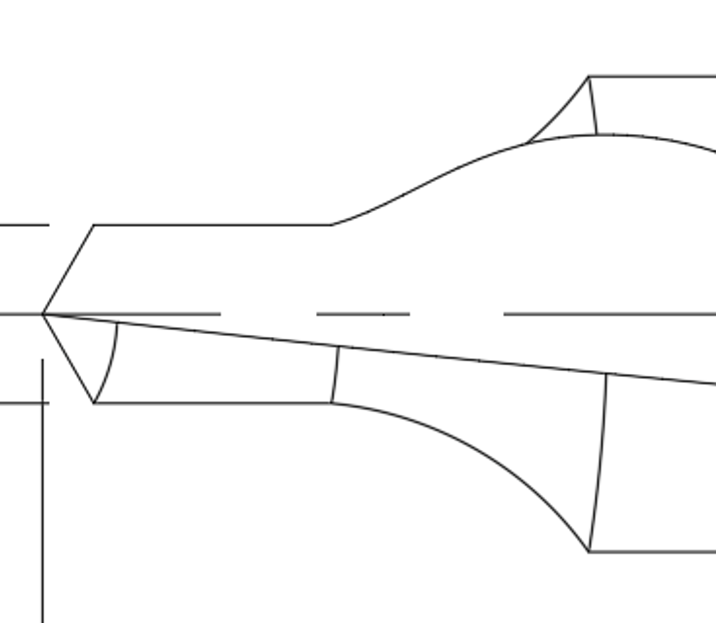
Type A Center Drill uses a basic 60° cone without an extra protective cone and is the most common choice for routine positioning.
Type B Center Drill adds a 120° protective cone around the machined 60° cone and suits precision shafts where hole-mouth integrity matters.
Type R Center Drill uses a radius transition to improve locating stability and reduce eccentricity and vibration, especially in hard materials.
Shape Differences among the Three Center-Hole Types
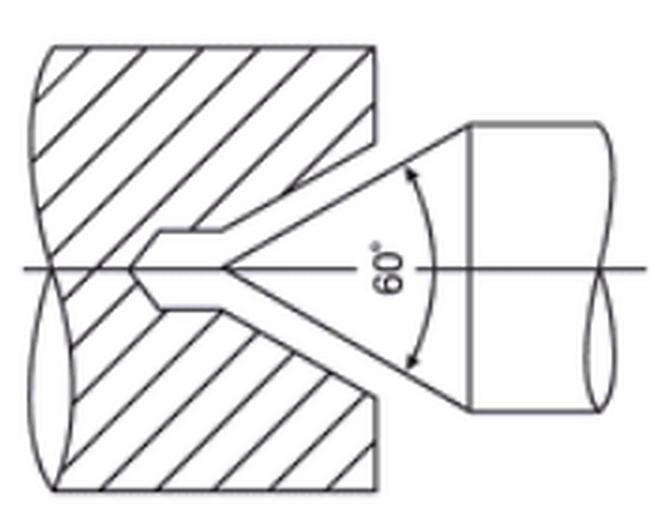
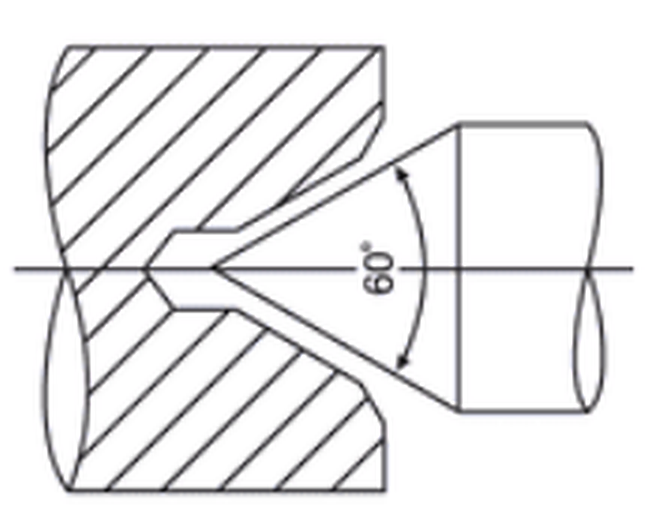
Type A forms a basic 60° center hole; Type B adds a protective cone outside the 60° working cone; Type R uses a radius transition to improve locating contact.
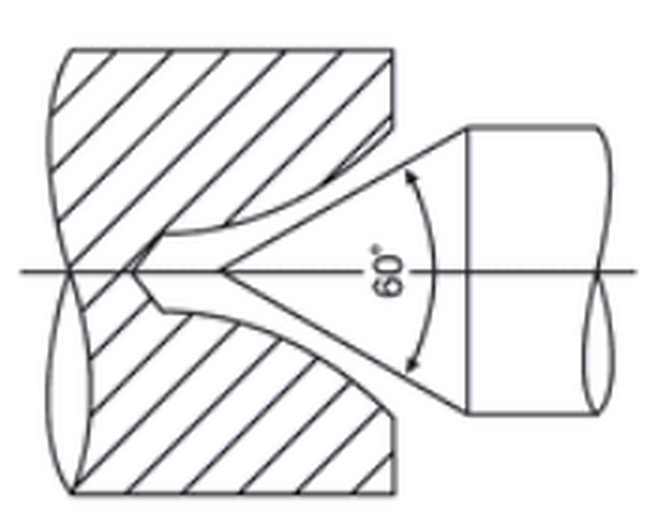
When to Switch from Type A to Type B
Type A is simple and economical, but impact, a rough end face or burrs may damage the center hole. The Type B protective cone improves hole-mouth quality and subsequent stability.
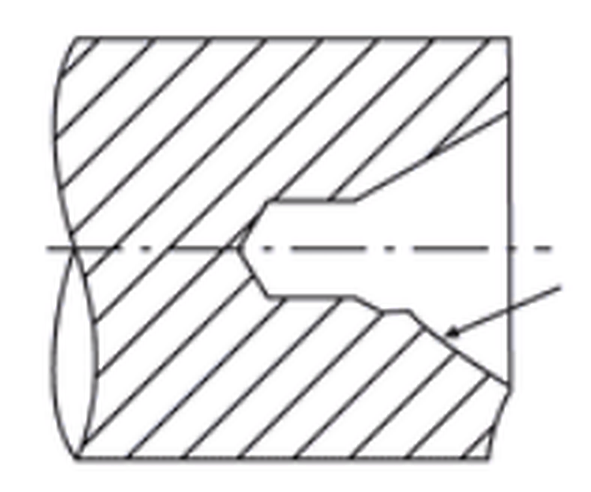
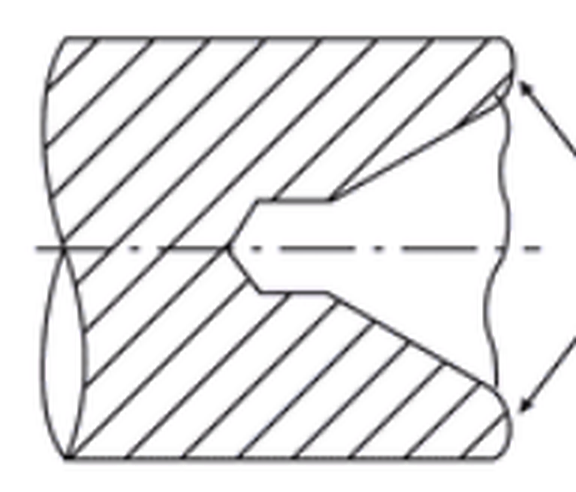
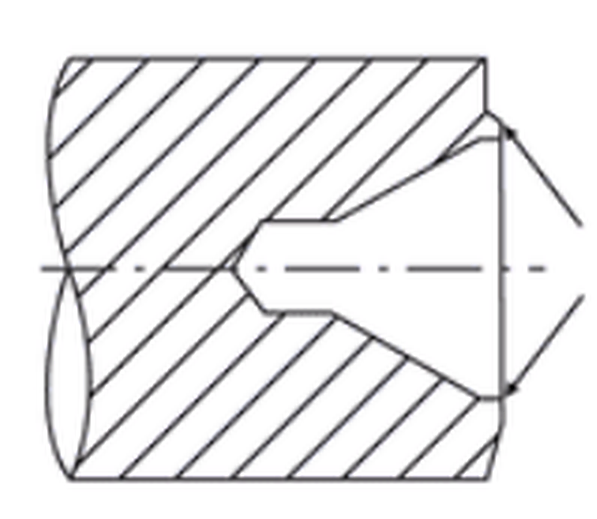
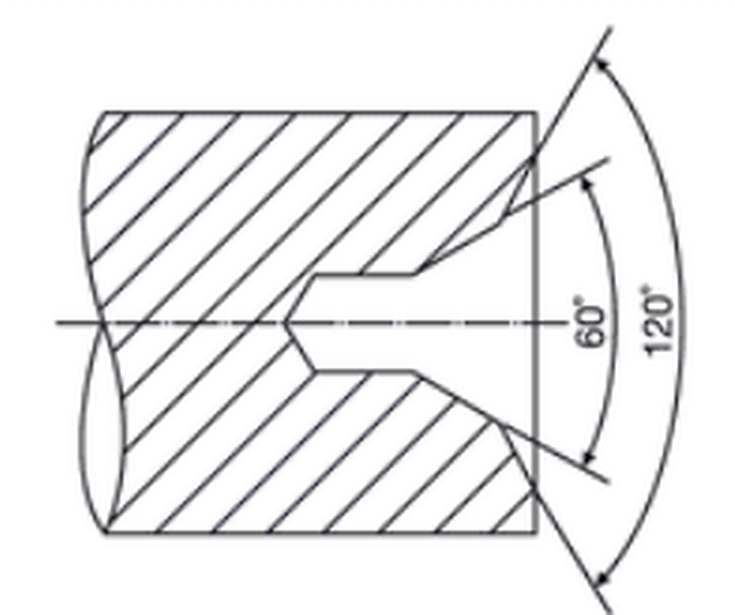
When to Choose Type R
An excessive center angle may give insufficient contact, while a small angle may cause interference. Misalignment also creates errors. Type R provides more stable contact than Type A.
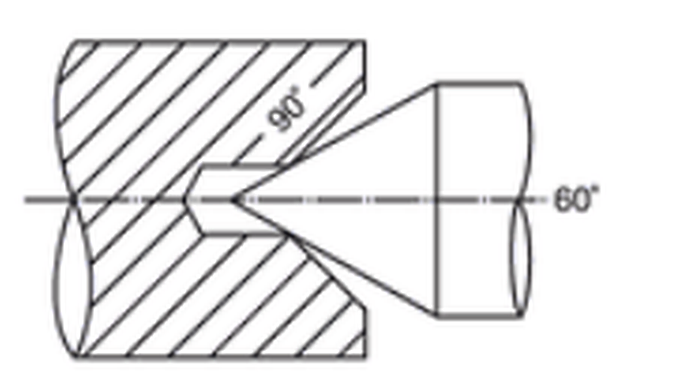 eazortools.comType A
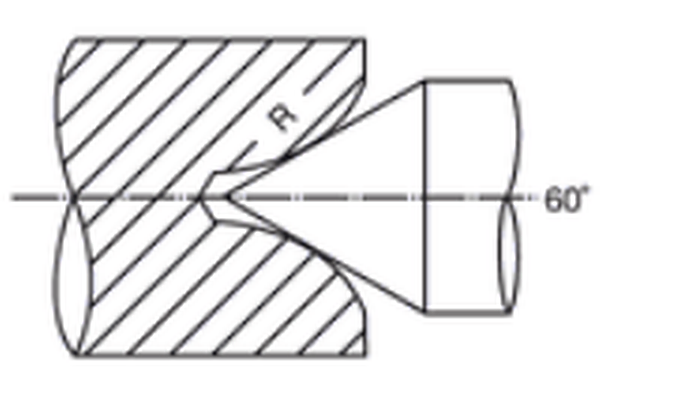 eazortools.comType R
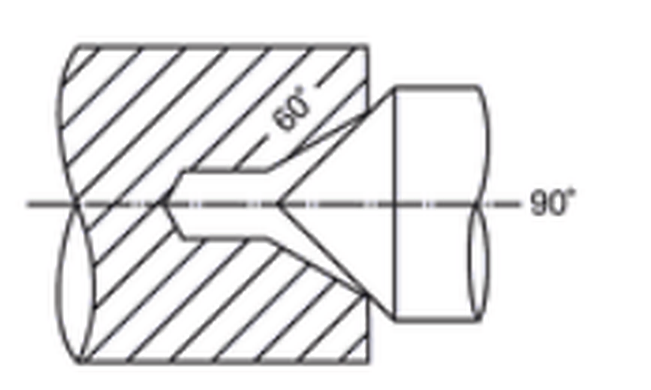 eazortools.comType A
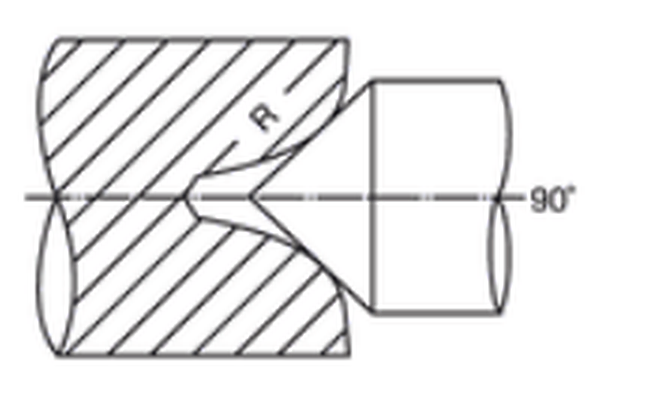 eazortools.comType R
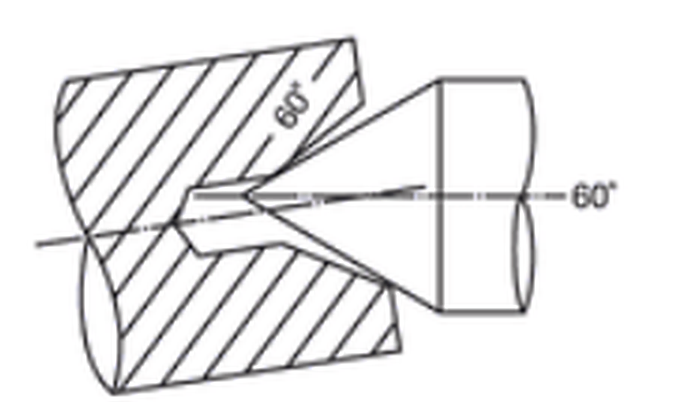 eazortools.comType A
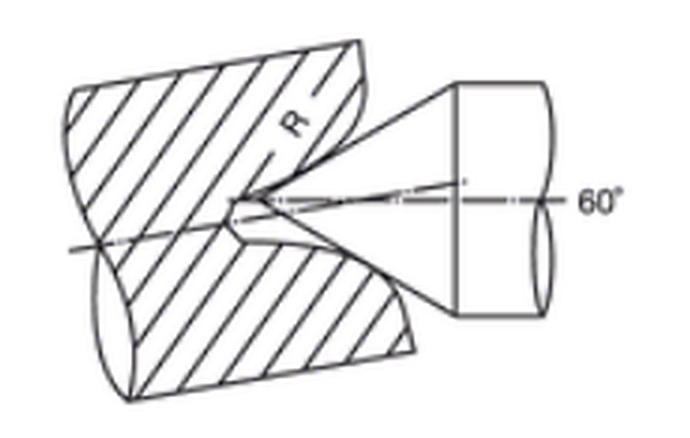 eazortools.comType R
Center-Drill Type Selection Guide
Based on structure and use, the following is a practical starting point:
| Application | Recommended center drill |
|---|---|
| General-purpose work | Type A center drill |
| Rough machining or poor end-face condition | Type B center drill |
| High-precision machining or demanding locating stability | Type R center drill |
Author: Simmons Wu, a mechanical engineer.
© 2026 Eazor Tools. All rights reserved.
Please credit the source when reposting.
View center drill dimensions